In-Home vs. Center-Based ABA Therapy: How to Choose the Best Option for Your Child

In short: In-home ABA therapy takes place in your own home, allowing for natural routines and parent involvement. Center-based ABA occurs in a structured clinic and often includes more peer interaction and equipment. The best choice depends on your child's comfort, family schedule, and insurance coverage. Many families start with in-home and later transition to center-based, or use a mix.
Key takeaways
- In-home ABA occurs in your natural environment, making it easier to practice daily living skills but requiring more parent participation.
- Center-based ABA offers structured settings, more peer social opportunities, and access to specialized equipment.
- Insurance coverage for ABA is widely available; both settings are typically covered under private insurance and state Medicaid programs.
- Consider your child's comfort with transitions, your family's schedule, and the level of parent involvement you can provide.
Understanding the Two Settings: In-Home and Center-Based ABA
Applied behavior analysis (ABA) therapy is a well-researched, evidence-based intervention for children with autism that helps build communication, social, and adaptive skills. When you begin searching for services, one of the first decisions you will face is whether to pursue therapy in your own home or at a dedicated center. Both settings have distinct advantages, and the right choice depends on your child's unique needs, your family's lifestyle, and the supports available in your community.
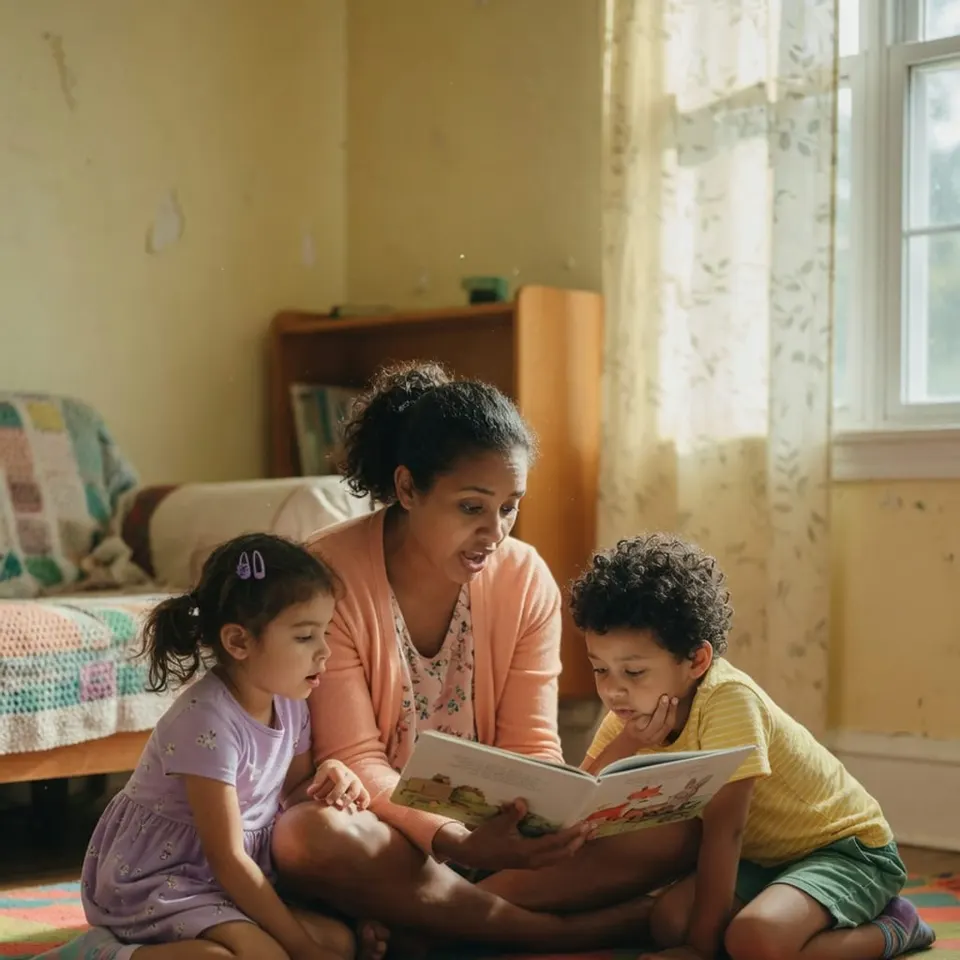
In-home ABA means that a behavior technician or board certified behavior analyst (BCBA) comes to your home to work with your child in their familiar environment. Sessions can occur in play areas, the bedroom, or during daily routines like meals and bath time. The therapist uses naturally occurring situations to teach skills.
Center-based ABA takes place at a clinic or center specially designed for therapy. These spaces often have multiple therapy rooms, a sensory gym, calming areas, and peer groups. A BCBA supervises a team of technicians, and children typically attend for several hours each day, often in small groups or one-on-one sessions.
In the sections below, we will walk you through the key differences, factors to weigh, and practical tips for making an informed decision. And remember, you don't have to figure this out alone - services like Find ABA Near Me can help you find vetted, BCBA-led providers in your area for free.
🔗 Related reading: CA Regional Center Autism Services Checklist · Local ABA Therapy
How to Evaluate Your Child's Needs and Your Family's Lifestyle
Before comparing costs or schedules, start by reflecting on your child's personality and your family's daily routine. Every child with autism is different, and what works for one may not work for another.
Consider your child's comfort with change and new environments
Some children thrive in a predictable, highly structured environment like a center. Others feel anxious or overwhelmed by new settings and prefer the safety of home. If your child has a strong reaction to transitions, in-home therapy might be less stressful at first. Over time, as skills grow, many families transition to center-based care to introduce variety.
Think about your family's schedule and parent availability
In-home therapy requires you to be present and often actively participate in sessions. A BCBA may ask you to help with data collection, practice strategies between visits, and adjust routines. This can be a rewarding but demanding commitment. Center-based therapy can free up your time during the day, but it also means driving your child to and from the center, which might not fit a tight work schedule.
Assess the need for peer interaction
If your child's goals include social skills with peers, center-based ABA usually offers more natural opportunities for group play and structured social games. In-home therapy can still include peer practice if you arrange playdates or sibling involvement, but the center environment is specifically designed for group work.
What to Expect in an In-Home ABA Session
In-home ABA is typically delivered one-on-one, with a technician working under the supervision of a BCBA. Sessions might last 2-4 hours, several times a week. Here is a closer look at the experience:
- Natural environment teaching: Skills are taught during everyday activities like getting dressed, brushing teeth, or playing with toys. This can make learning more meaningful and easier to generalize.
- Parent involvement: You will likely be asked to participate in some sessions, learn behavioral strategies, and implement them throughout the day. Many parents appreciate this hands-on role.
- Flexible scheduling: In-home sessions can sometimes be scheduled around naps, meals, and other family obligations, though provider availability may limit options.
- Potential distractions: Siblings, pets, phone calls, or household chores can interrupt therapy. A dedicated space in your home can help minimize disruptions.
In-home ABA works especially well for children who need intensive parent coaching, have medical complexities that make travel difficult, or are very young and just starting therapy.

🔗 Related reading: ABA therapy in rural vs. urban Florida: Key differences · Nearby ABA Therapy
What to Expect in a Center-Based ABA Session
Center-based ABA usually follows a structured daily schedule. Children attend for 15-40 hours per week depending on the program. Here are the hallmarks:
- Structured environment: Centers are designed to be free from home distractions, with clear routines, visual schedules, and predictable transitions throughout the day.
- Peer social opportunities: Group activities, snack times, and free play allow children to practice social skills with peers who may also be on the spectrum. This is a major benefit for children who need to build social competence.
- Specialized equipment and spaces: Sensory rooms, adaptive playgrounds, and a variety of therapeutic materials are often available at centers, which may be hard to replicate at home.
- Consistent supervision: A BCBA is usually on-site and can observe sessions, provide real-time feedback to technicians, and adjust programming quickly.
Center-based ABA can be a great fit for children who are ready to learn in a group setting, need a high density of therapy hours, or benefit from a clear separation between home and therapy.
Cost and Insurance Coverage: What You Need to Know
Both in-home and center-based ABA therapy can be expensive without insurance. However, thanks to autism insurance mandates in all 50 U.S. states, most private health insurance plans cover medically necessary ABA therapy. Additionally, state Medicaid programs - such as California's Medi-Cal, New York's Medicaid, or Texas' Medicaid - typically cover ABA for eligible children.
How costs compare
On average, center-based ABA may have slightly higher hourly rates due to facility overhead, but insurance reimbursement rates often level the playing field. Families usually pay copays or coinsurance, and many providers offer sliding-scale fees or accept Medicaid. The free service Find ABA Near Me helps you compare providers that accept your insurance, so you can see true out-of-pocket costs before committing.
Insurance verification is key
Before choosing a setting, always verify coverage directly with your insurance provider. Ask: "Do I have ABA benefits? Is prior authorization required? Are there session limits? Is in-home or center-based covered differently?" A good provider will handle the insurance paperwork for you.
Also note that some insurance plans may only cover one setting or have stricter requirements for center-based therapy (e.g., a minimum number of hours). A free matching service like Find ABA Near Me can connect you with BCBA-led providers who already work with your insurance.

Practical Tips for Making the Decision
Still unsure? Here are actionable steps to help you decide:
- Observe a session in each setting. Most providers offer trial visits. See how your child reacts in both environments.
- Talk to other parents. Join local autism parent groups or online forums to hear firsthand experiences.
- Consider a hybrid plan. Some families start with 2-3 in-home sessions per week and add 1-2 center-based sessions later. This gives your child exposure to both settings.
- Evaluate your own bandwidth. Are you able to commit to being an active participant in in-home therapy? If not, center-based may reduce stress.
- Ask about the BCBA's availability. In-home BCBA supervision may be less frequent due to travel; center-based BCBAs are usually on-site daily.
- Check wait times. In some areas, center-based programs have waitlists. In-home may start sooner. A matching service can show current openings.
Common Mistakes to Avoid
Families often make these errors when choosing a therapy setting. Being aware of them can save you time and frustration.
- Choosing based solely on convenience. In-home may seem easier, but if your child needs more peer interaction, it could delay social skill development.
- Ignoring parent training requirements. In-home ABA usually expects you to learn and implement strategies. If you are not prepared for that, consider center-based.
- Assuming center-based is always better because it looks more "clinical." Some children do not generalize skills learned in a center back to home without intentional practice.
- Not checking insurance coverage thoroughly. A provider may say they accept your plan, but if the specific setting is not covered, you could face unexpected bills.
- Waiting too long to start. Early intervention is critical. If one setting has a long waitlist, consider the other while you wait.
How Find ABA Near Me Can Help You Find the Right Provider
Making this decision is easier when you have all the information. Find ABA Near Me is a free, national service that matches families with vetted, BCBA-led ABA therapy providers. You can filter by setting (in-home, center-based, or both), insurance accepted, and location. Every provider listed has been checked for quality and ethical standards.
Once you submit your preferences, you will receive personalized matches. The service is completely free for families - there is no obligation. Whether you lean toward in-home, center-based, or a combination, Find ABA Near Me helps you find providers that fit your child's needs and your budget.
Ready to explore options? Visit findabanearme.com and take the first step toward finding the right ABA therapy setting for your child.