Respite Care for California Families Raising Autistic Children

In short: Respite care gives California families of autistic children a much-needed break. Funding often comes through regional centers, Medi-Cal waivers, or private insurance. Start by contacting your local regional center or using a free matching service like Find ABA Near Me to explore ABA therapy options that may include respite support.
Key takeaways
- California's regional centers are the primary source for respite care funding for families of autistic children.
- Medi-Cal waivers like the HCBS waiver can also cover respite services for eligible children.
- Private health insurance plans sometimes include respite benefits; check your plan's behavioral health coverage.
- Respite providers may be independent aides, agencies, or ABA therapy companies that offer short-term relief.
Find your child's ABA provider in California
About 60 seconds · free & confidential
- ✓ Vetted, BCBA-led providers
- ✓ In-home, center & telehealth
- ✓ No obligation, ever
What Is Respite Care and Why Do California Families Need It?
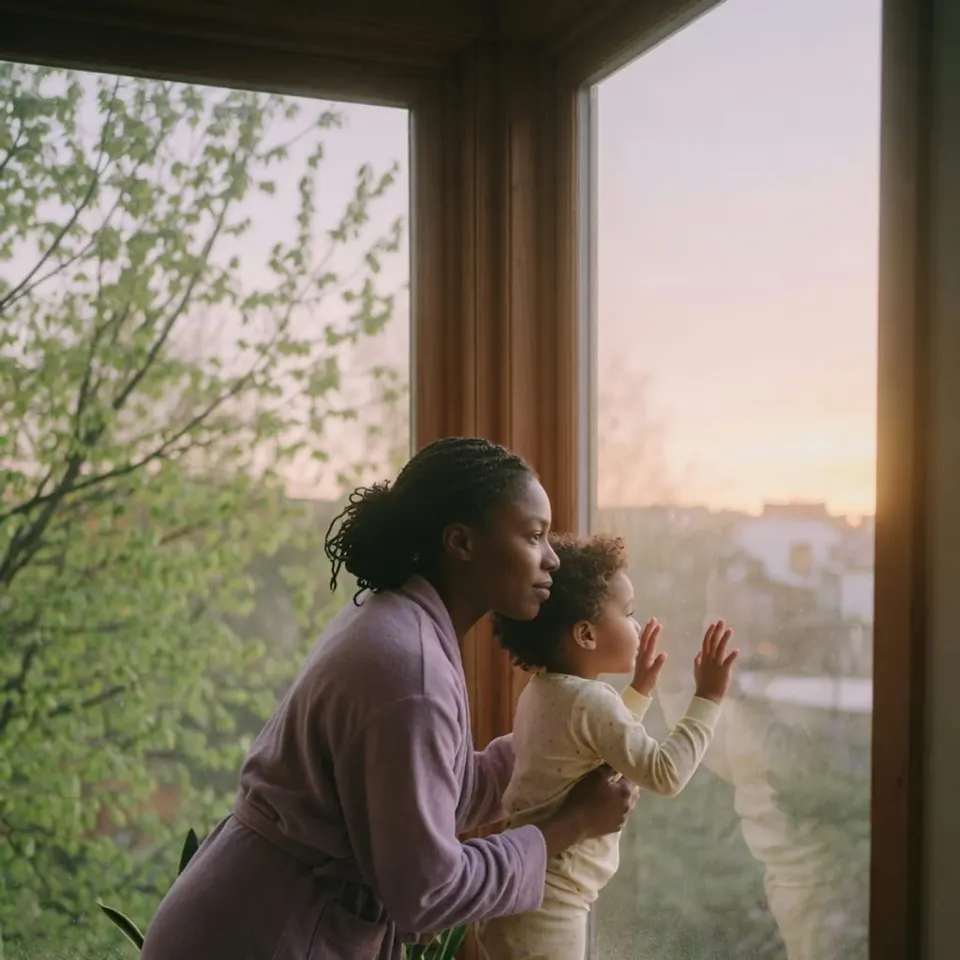
Raising an autistic child is a rewarding journey, but it can also be physically and emotionally demanding. Respite care provides temporary relief for primary caregivers by arranging short-term, supervised care for the child. In California, families often turn to respite to prevent burnout, attend appointments, or simply recharge. Respite can happen in your home, at a provider's facility, or in a community setting. It is not a substitute for long-term care but a vital support that helps families stay strong.
🔗 Related reading: Autism Services in Florida Schools: First Call Guide · Nearby ABA Therapy
Who Qualifies for Respite Care in California?
Eligibility depends on the funding source. Generally, children with a diagnosis of autism spectrum disorder (ASD) qualify if they are enrolled in California's regional center system or have a Medi-Cal waiver. Regional centers serve individuals with developmental disabilities, including autism, and offer respite as a core service. Children under three may receive respite through Early Start, California's early intervention program. For older children, the Lanterman Act ensures services for those with significant needs. Your child's regional center case manager can determine eligibility based on the child's Individual Program Plan (IPP).
Regional Center Respite Services
California has 21 nonprofit regional centers that coordinate services for people with developmental disabilities. Respite is a purchased service, meaning the regional center can pay a provider to give you a break. The amount of respite hours varies by regional center and the child's assessed needs. Some families receive a few hours a week, others up to 100 hours per year. To start, contact your regional center and request an assessment for respite. Be prepared to share details about your child's routines, behaviors, and why you need support.
Medi-Cal Waivers and Other Funding
California offers Home and Community-Based Services (HCBS) waivers that include respite. The HCBS waiver for individuals with developmental disabilities is often used alongside regional center funding. If your child has Medi-Cal, ask your case manager about waiver availability. Additionally, some private health insurance plans cover respite as part of behavioral health benefits. Check your plan's summary of benefits for terms like "respite care" or "behavioral health treatment." If your child receives Applied Behavior Analysis (ABA) therapy through insurance, the same provider may offer respite as a supplemental service.
Looking for ABA therapy for your child? We match families with vetted, BCBA-led providers near you.
Get matched freeHow to Find Respite Care Providers in California
Finding a qualified respite provider can feel overwhelming, but there are several avenues to explore. Start by asking your regional center for a list of approved respite agencies. Many regional centers maintain a provider directory. You can also search online for "respite care California" or use the California Department of Developmental Services (DDS) website. Another option is to look for home health agencies that employ trained aides. Some ABA therapy companies also offer respite services, especially if they already work with your child. If you are not yet connected to an ABA provider, a free service like Find ABA Near Me can match you with vetted, BCBA-led providers who may offer or coordinate respite.
Questions to Ask a Potential Respite Provider
- Are you trained in autism-specific strategies? Ideally, the provider understands sensory needs, communication challenges, and positive behavior support.
- Do you have experience with my child's age and needs? A provider who works with toddlers may not be the best fit for a teenager.
- Can you follow my child's behavior plan or routine? Consistency is key, especially if your child receives ABA therapy.
- What is your backup plan if the regular provider is unavailable? Reliable respite means having coverage even when someone is sick.
- How do you handle emergencies? Know the provider's protocol for medical or behavioral crises.

🔗 Related reading: Does Private Insurance Cover ABA in Oklahoma? · Apply for ABA
Costs and Insurance Coverage for Respite in California
Respite care can be expensive if paid out-of-pocket, typically ranging from $15 to $30 per hour depending on the provider's qualifications and location. However, most California families do not pay full price because regional centers and Medi-Cal cover the cost for eligible children. If you use a regional center, you may have a small family fee based on your income. Private insurance plans that cover respite often have copays or deductibles. Always verify coverage before starting services. If you are unsure about funding, a regional center case manager or a benefits counselor can help you navigate options.
Practical Tips for Making Respite Work for Your Family
Respite is most successful when you plan ahead. Here are some strategies:
- Start small. Begin with short, predictable sessions-maybe an hour while you run a quick errand-so your child and the provider can build trust.
- Create a care notebook. Write down your child's preferences, triggers, calming techniques, and daily schedule. Share it with the provider.
- Communicate openly. Tell the provider what you hope to gain from respite and any concerns you have.
- Use respite consistently. Regular breaks prevent caregiver burnout and give your child a chance to build a relationship with another adult.
- Combine respite with therapy. If your child is in ABA therapy, ask the BCBA if they can train the respite provider on behavior support strategies. This ensures continuity.

Common Mistakes to Avoid When Seeking Respite
Many families delay requesting respite because they feel guilty or worry about leaving their child with someone new. Remember that taking care of yourself is essential for your child's well-being. Another mistake is assuming only one funding source exists. Explore regional centers, Medi-Cal waivers, and private insurance simultaneously. Some families also wait until they are in crisis to seek respite. Apply early, even if you think you don't need it now-waitlists can be long. Finally, do not settle for a provider who does not feel like a good fit. Your child's comfort and safety come first.
How Find ABA Near Me Can Help
Finding the right support for your autistic child takes time, but you do not have to do it alone. Find ABA Near Me is a free service that connects families with vetted, BCBA-led ABA therapy providers in California. While we focus on ABA, many of our partner providers also offer or can recommend respite services. By getting matched with an ABA provider, you may also gain access to a team that understands your child's needs and can coordinate respite care. Start your search today and take the first step toward the support your family deserves.